Audi · B9 · Mod guide
Audi B9 S4, S5 and SQ5 Mod Guide
The B9 S4, S5 and SQ5 share Audi's 3.0T EA839 V6, with a single twin-scroll turbo tucked inside the V, an 8-speed ZF automatic and quattro. That shared hardware makes them some of the most rewarding cars to modify: software alone unlocks a big jump in power, and the right supporting parts keep it consistent lap after lap. This guide covers the order we recommend, what each step does, and what to check before you start.
Covers: Audi S4 (B9/9.5), Audi S5 (B9/9.5), Audi SQ5 (B9/9.5)
- Chassis
- B9
- Years
- 2018 to 2025
- Engine
- 3.0L turbocharged V6 (EA839)
- Transmission
- 8-speed Dual-Clutch
- Drivetrain
- quattro all-wheel drive
- Stock power
- 349-354 hp / 369 lb-ft
Before you buy
-
Check your transmission software first
Some 2021+ cars, and most 2023+ cars, leave the factory with a locked transmission control unit (TCU). The engine tune still works, but a TCU tune may need an unlock first. Check with us by VIN or model year before you order.
-
Know which suspension your car has
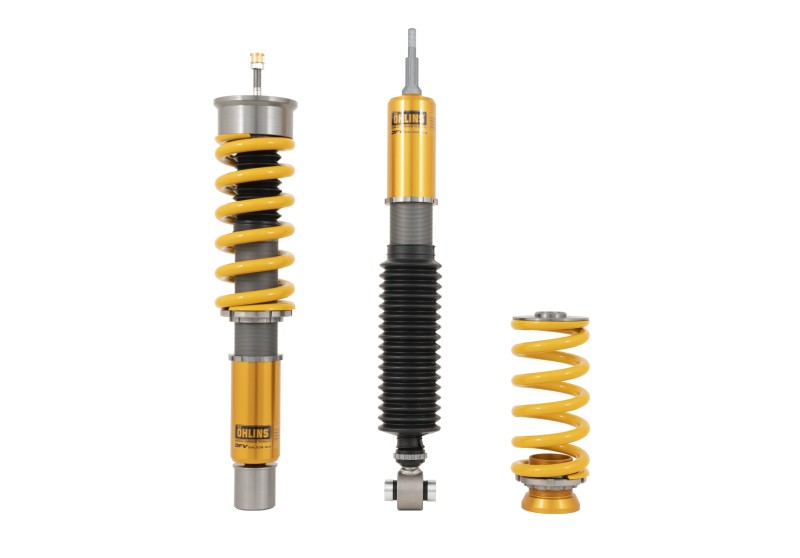
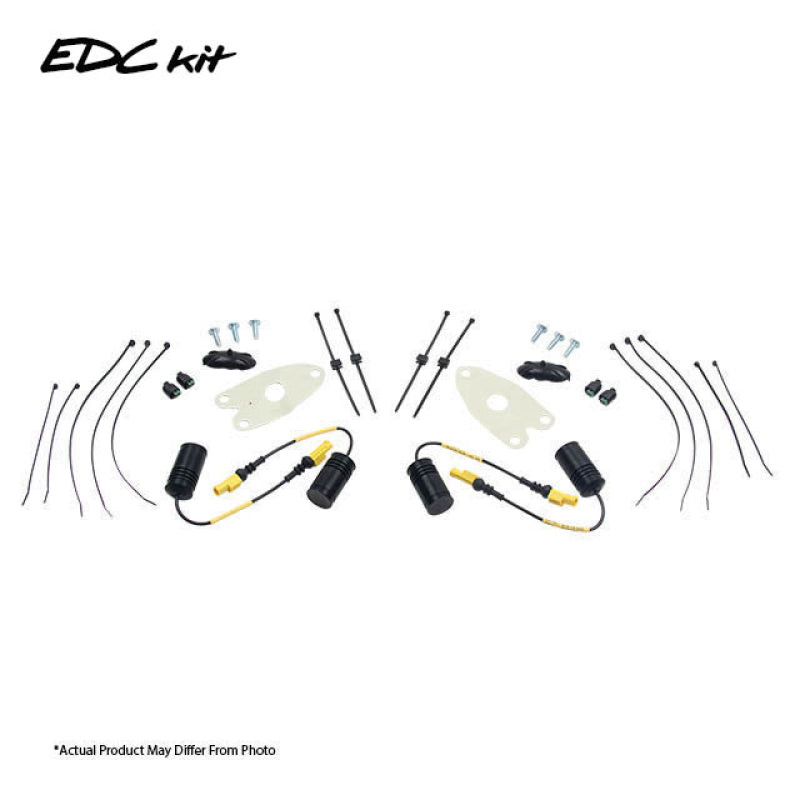
Cars with Audi's adaptive dampers need coilovers built for adaptive suspension, or a cancellation kit, to avoid warning lights. Check your build sheet or ask us before choosing suspension.
-
SQ5 owners: confirm fitment
Engine and transmission software, intercoolers and fuel parts usually cover the SQ5 too. Many intakes, downpipes, sway bars and wheels are S4/S5 only. Check the fitment on every product page.
-
Sort out maintenance before adding power
A tune makes existing problems worse. Fix any coolant leaks, worn spark plugs or coils and overdue services first, and check the water pump (see Known issues below).
Start here
-
Step 1
Tune the EA839
-
 Sale
-
-
 Sale
-
-
-
Step 2
Control intake temperatures
-
 Sale
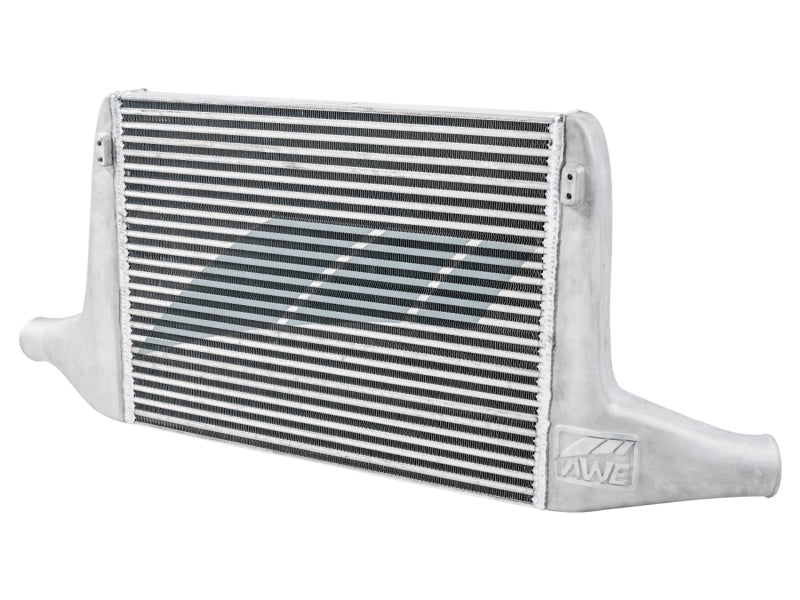
AWE Tuning
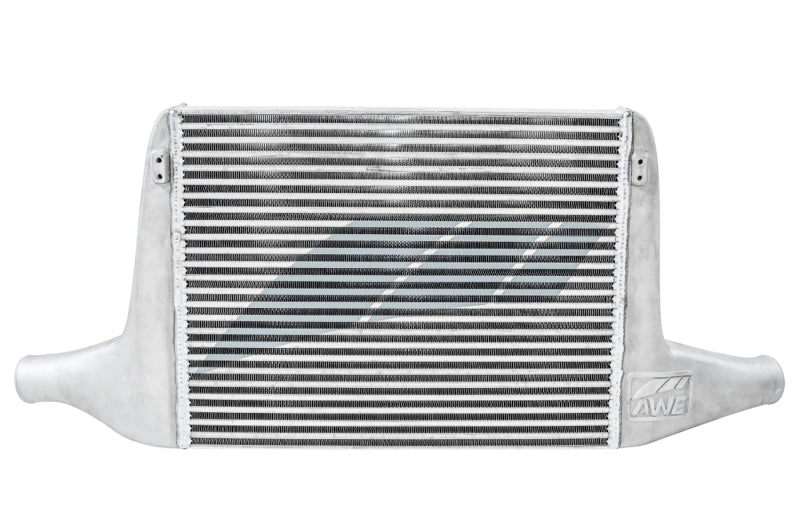
AWE Tuning 2018-2019 Audi B9 S4 / S5 Quattro 3.0T Cold Front Intercooler Kit
Sale price $945.00 Regular price
$994.74 -
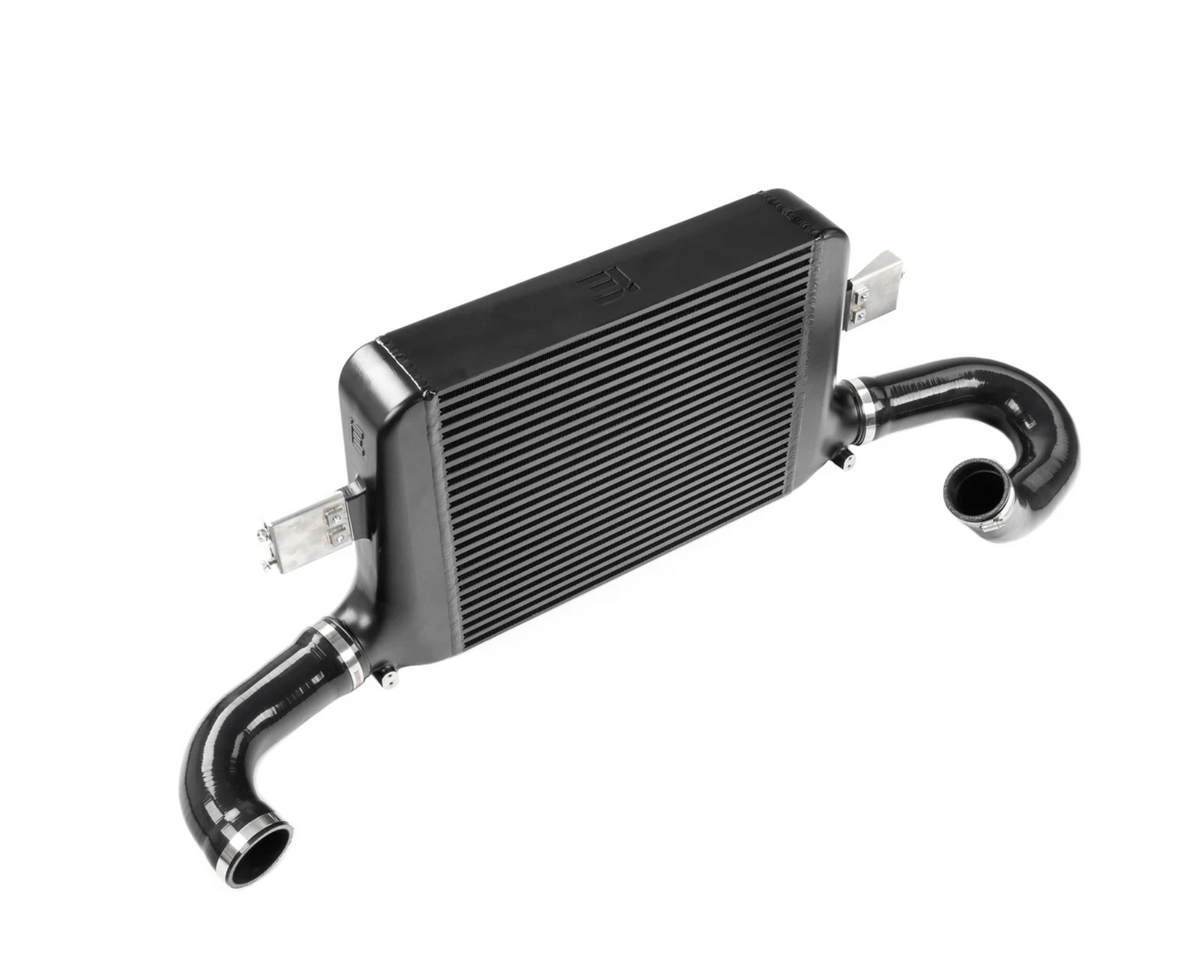
Integrated Engineering
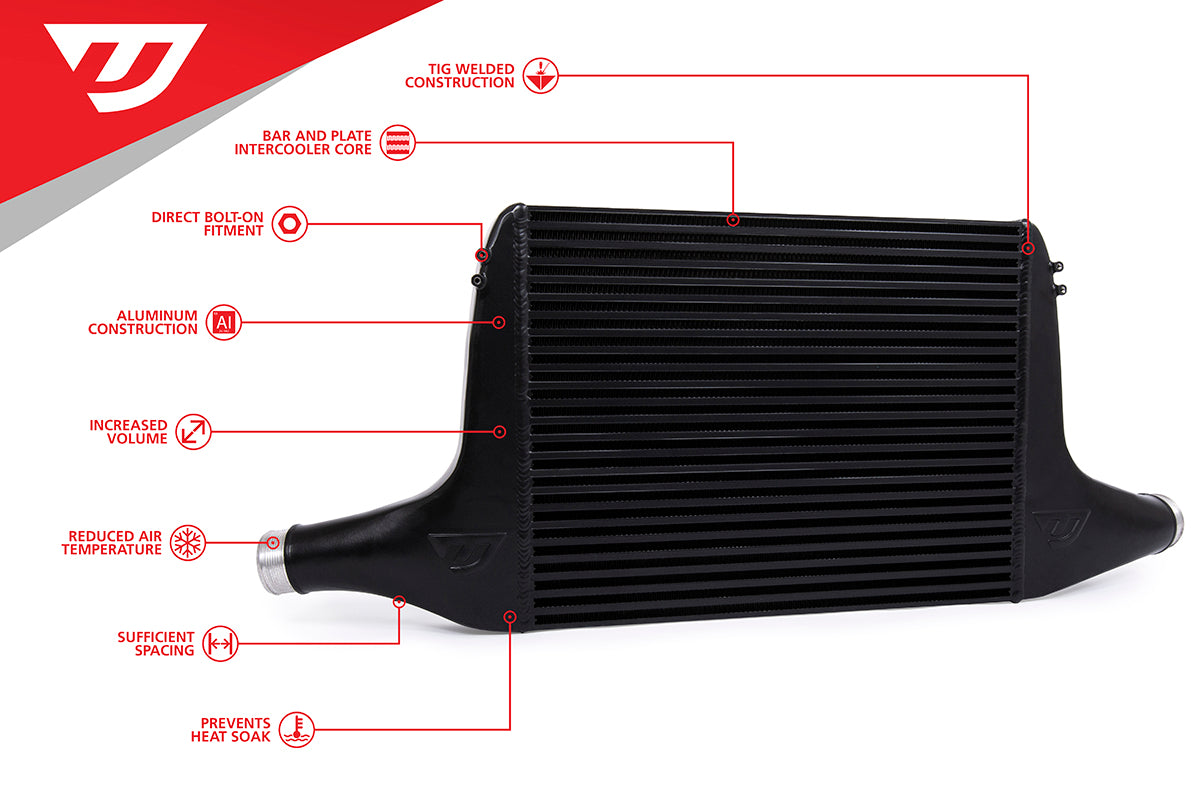
Integrated Engineering IE Race Series FDS Intercooler System For Audi B9/B9.5 S4 & S5
Price From $1,414.99
-
-
 Sale
AWE Tuning
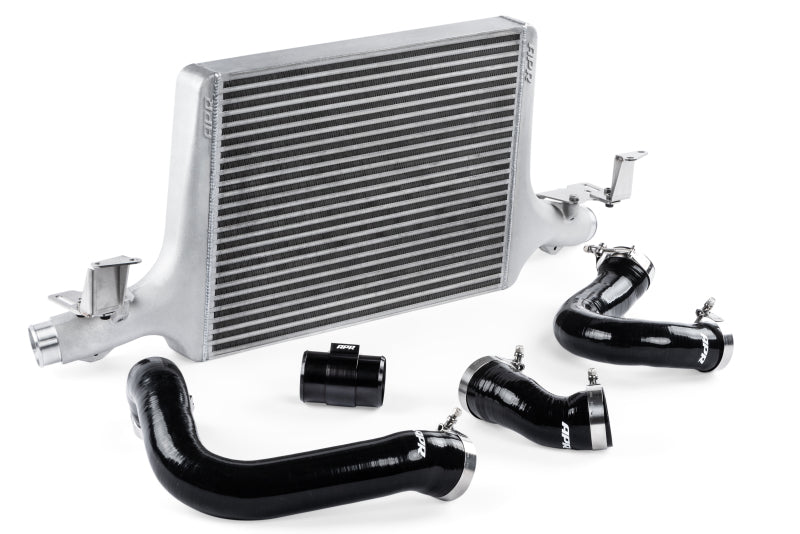
AWE Tuning 18-19 Audi SQ5 Crossover B9 3.0T ColdFront Intercooler
Sale price $945.00 Regular price
$994.74 -
 Sale
-
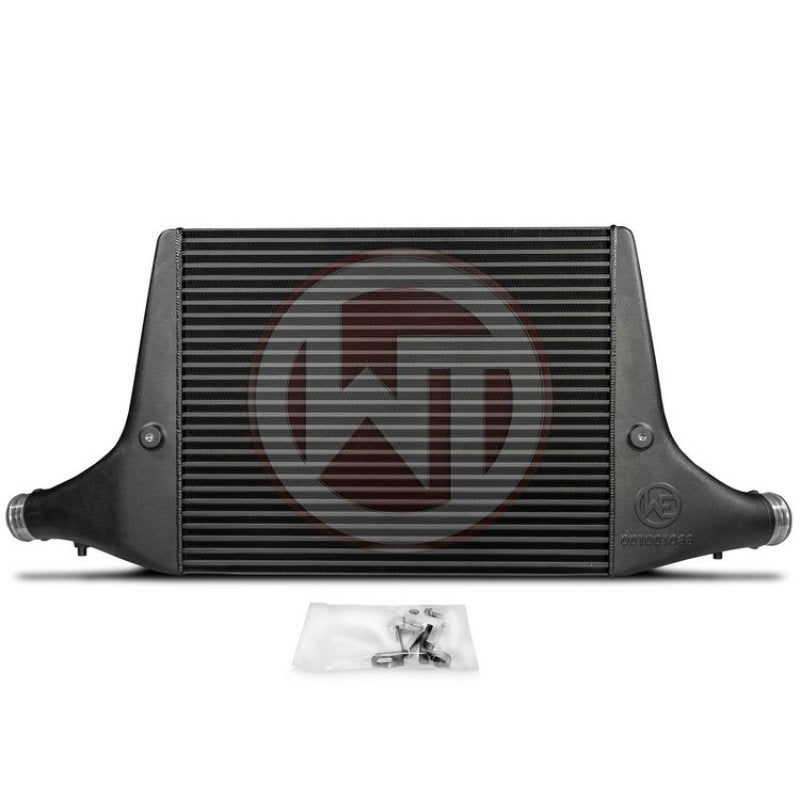
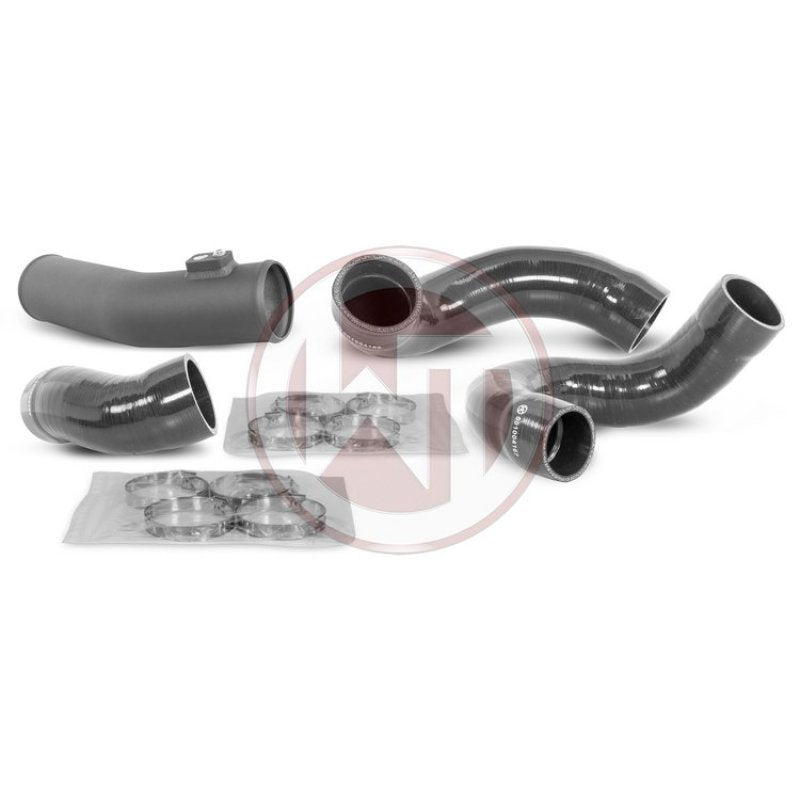
Wagner Tuning
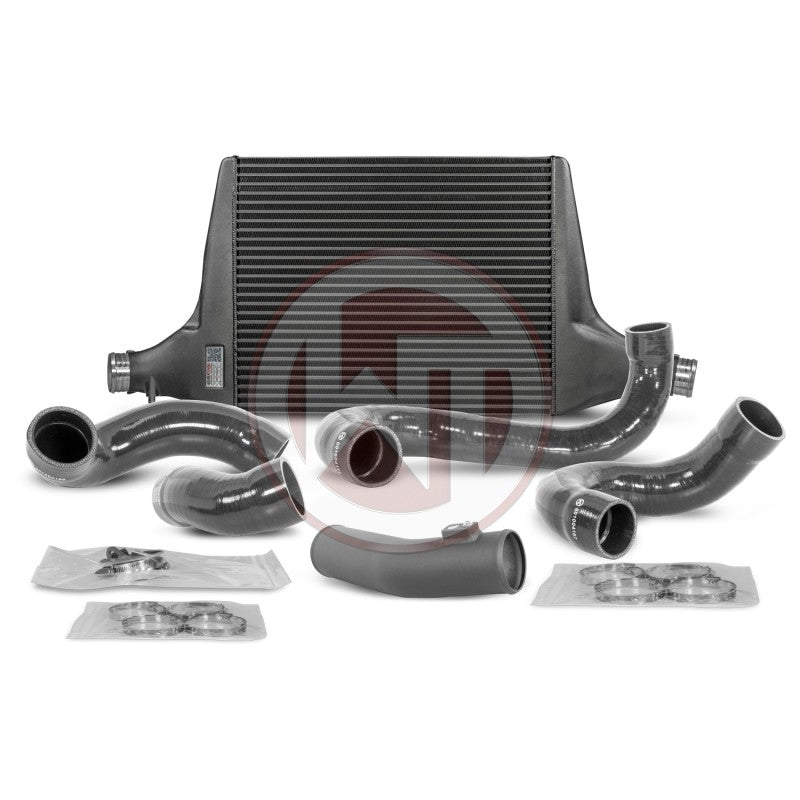
Wagner Tuning Audi S4 B9/S5 F5 US-Model Competition Intercooler Kit w/Charge Pipe - USA Model Only
Price $1,140.00
-
-
-
-
Step 3
Upgrade the intake and exhaust
-
 Sale
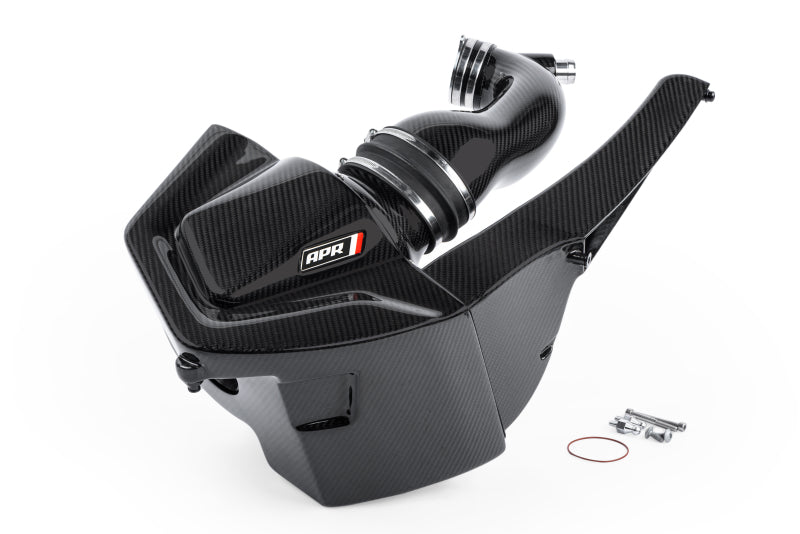
APR
APR 18-25 Audi S4/S5/S5 Sportback (B9) 3.0T Carbon Fiber Intake System
Sale price $1,449.95 Regular price
$1,631.95 -
 Sale
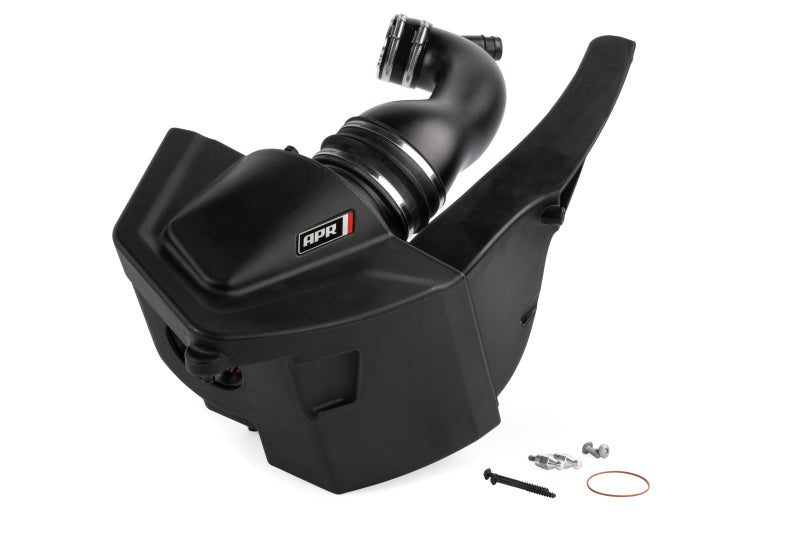
APR
APR 18-25 Audi S4/S5/S5 Sportback (B9) 3.0T PEX Intake System
Sale price $579.95 Regular price
$652.95 -
 Sale
AWE Tuning
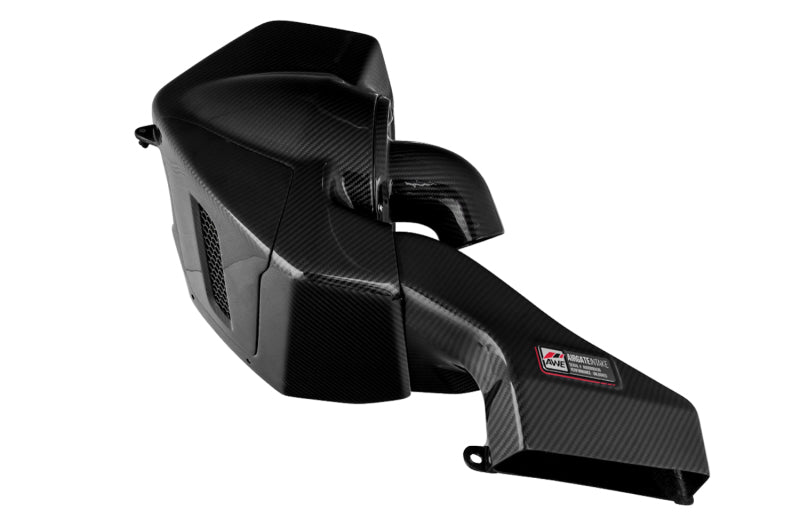
AWE Tuning Audi B9 SQ5 3.0T AirGate Carbon Fiber Intake w/ Lid
Sale price $1,225.00 Regular price
$1,289.47 -
 Sale
AWE Tuning
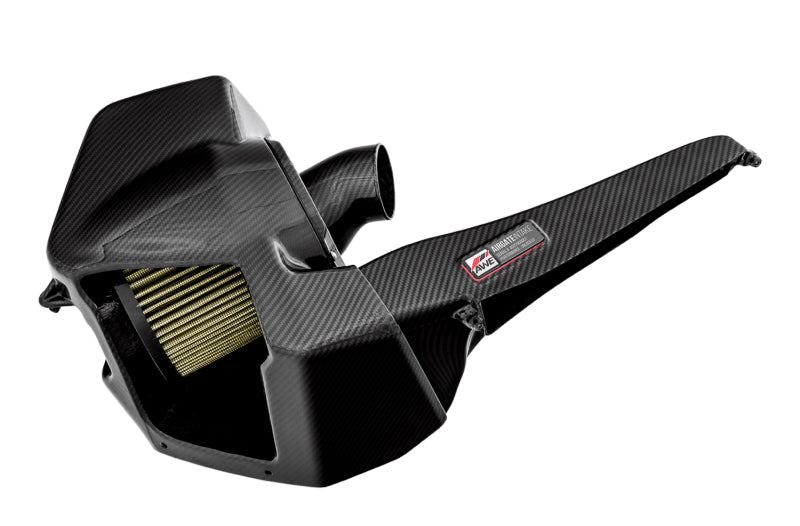
AWE Tuning Audi B9/B9.5 S4/S5/RS5 3.0T Carbon Fiber AirGate Intake w/ Lid
Sale price $1,075.00 Regular price
$1,131.58 -
-
 Sale
Milltek
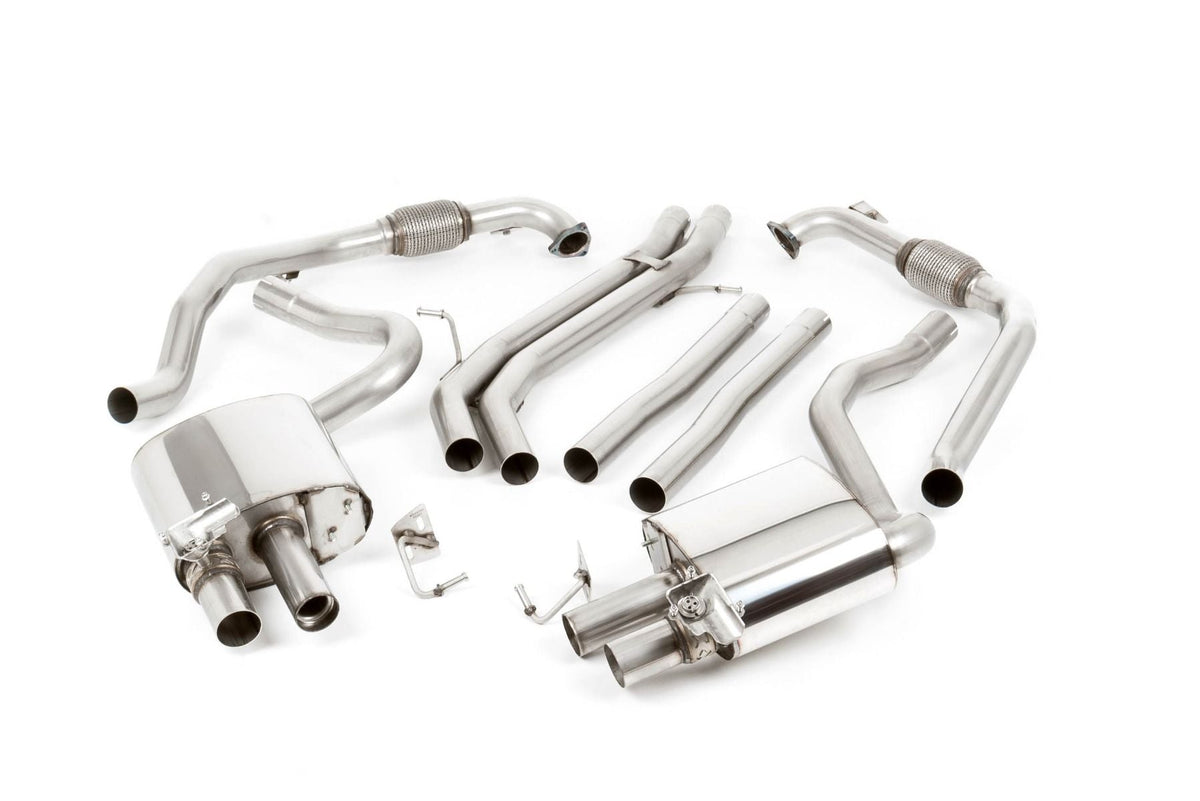
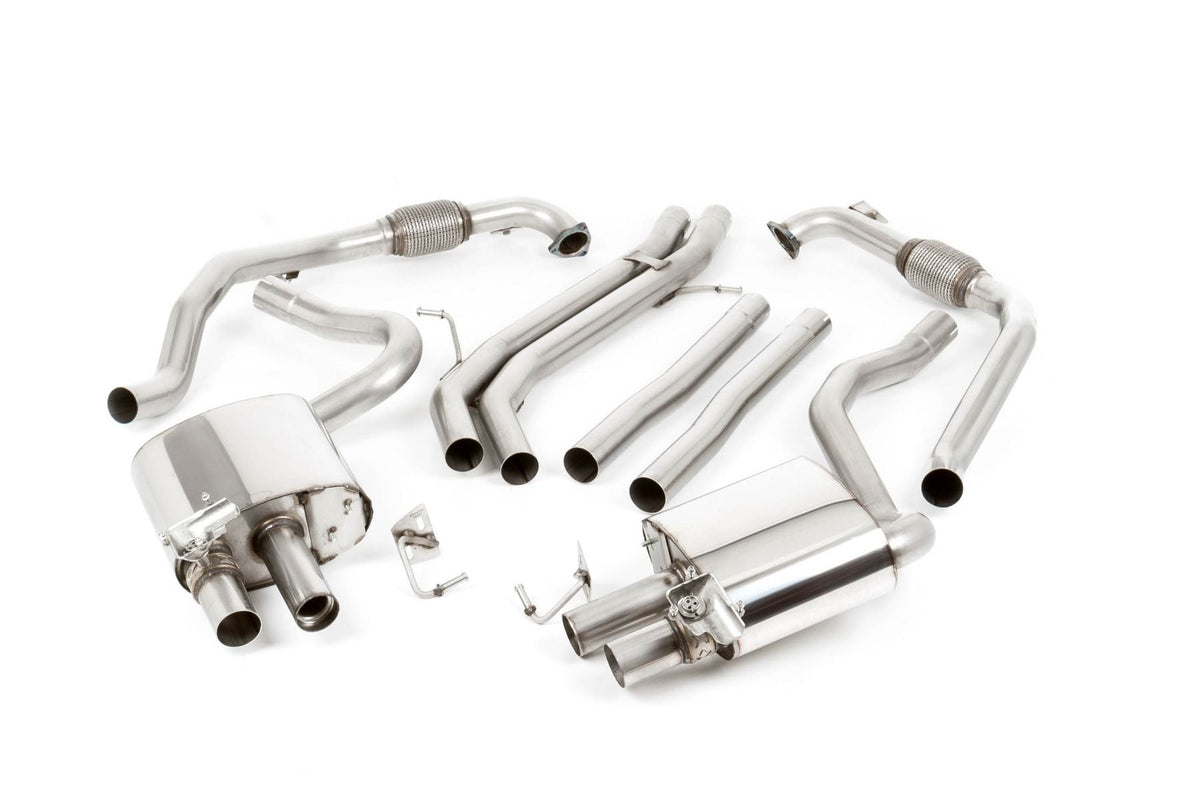
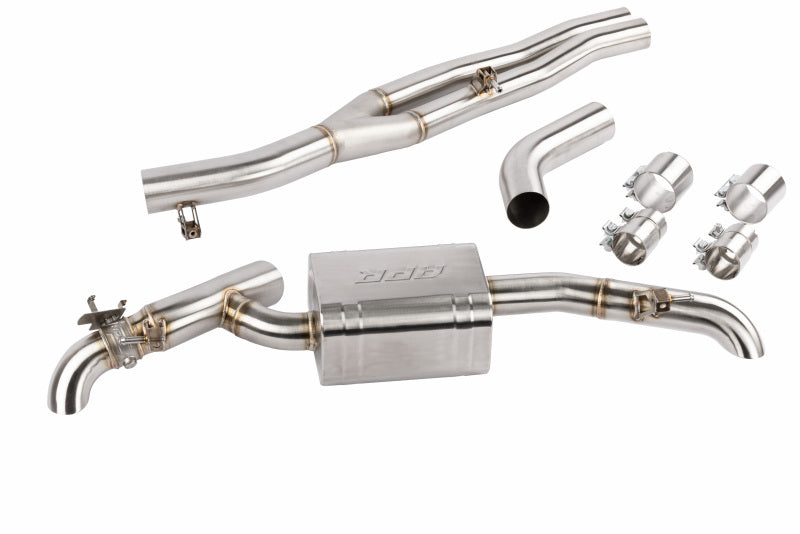
Milltek NON-RESONATED (LOUDER) CAT-BACK EXHAUST SYSTEM Audi B9 S4/S5 (Non-Sport Diff Only)
Sale price From $2,981.35 Regular price
$3,507.46 -
 Sale
Milltek
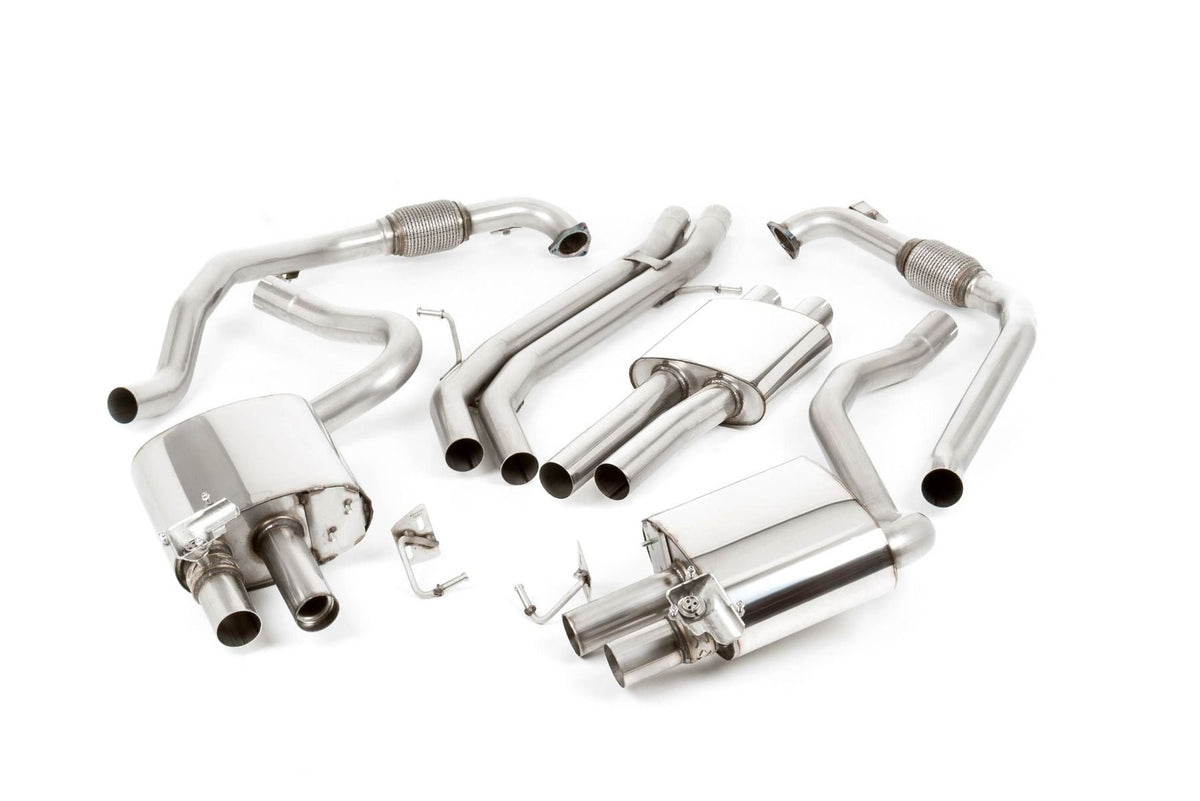
Milltek NON-RESONATED (LOUDER) CAT-BACK EXHAUST SYSTEM Audi B9 S4/S5 (Sport Diff Only)
Sale price From $2,981.35 Regular price
$3,507.46 -
 Sale
Milltek
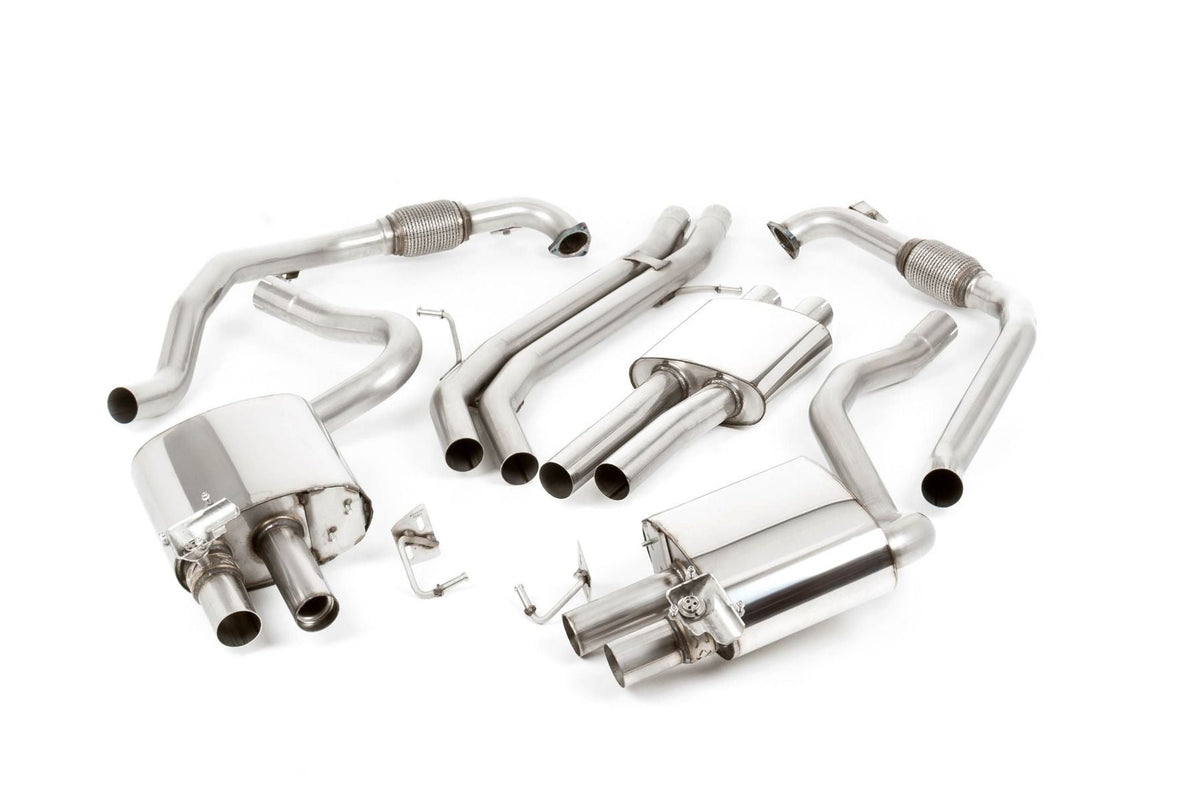
Milltek RESONATED (QUIETER) CAT-BACK EXHAUST SYSTEM Audi B9 S4/S5 (Non-Sport Diff Only)
Sale price From $3,189.62 Regular price
$3,752.49 -
 Sold out
Milltek
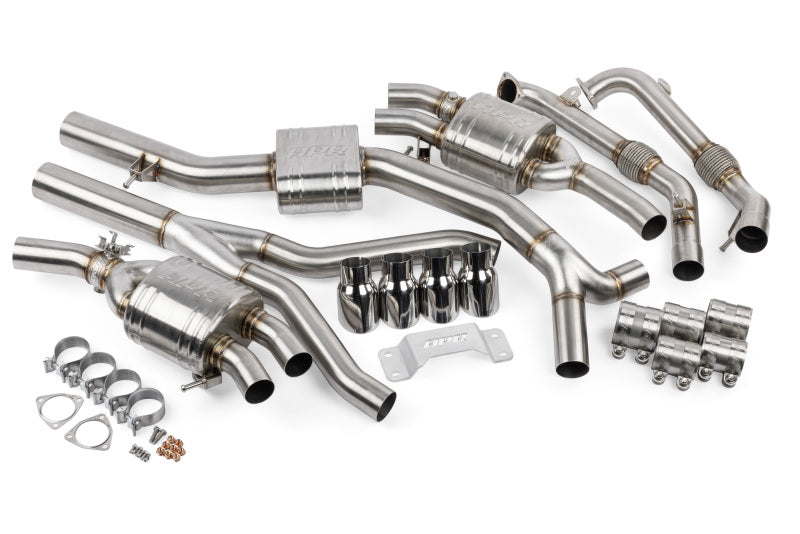
Milltek RESONATED (QUIETER) CAT-BACK EXHAUST SYSTEM B9 S4/S5 (Sport Diff Only)
Price From $3,403.00
-
 Sale
-
 Sale
-
-
Step 4
Upgrade fuel and ignition
-
ORT Motorsport
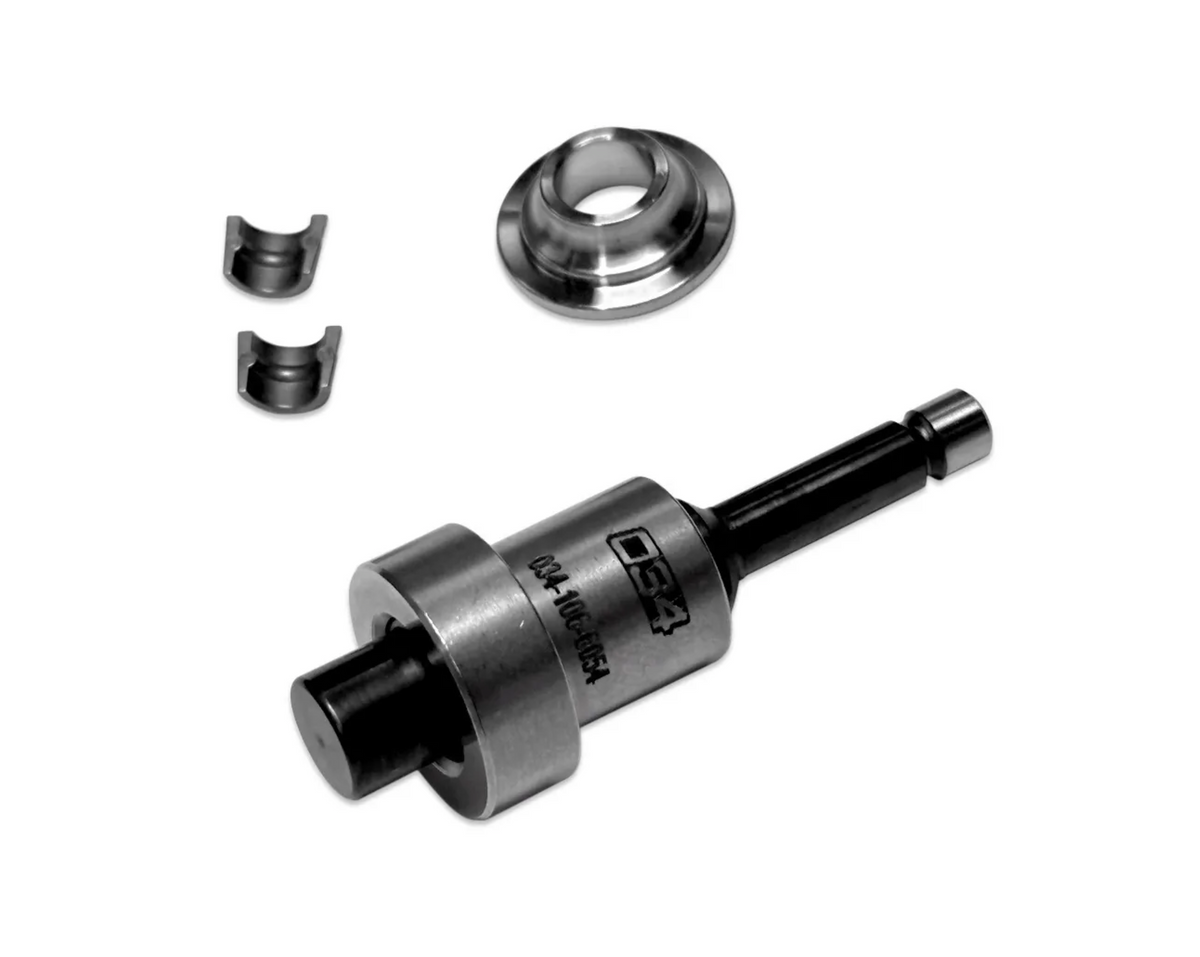
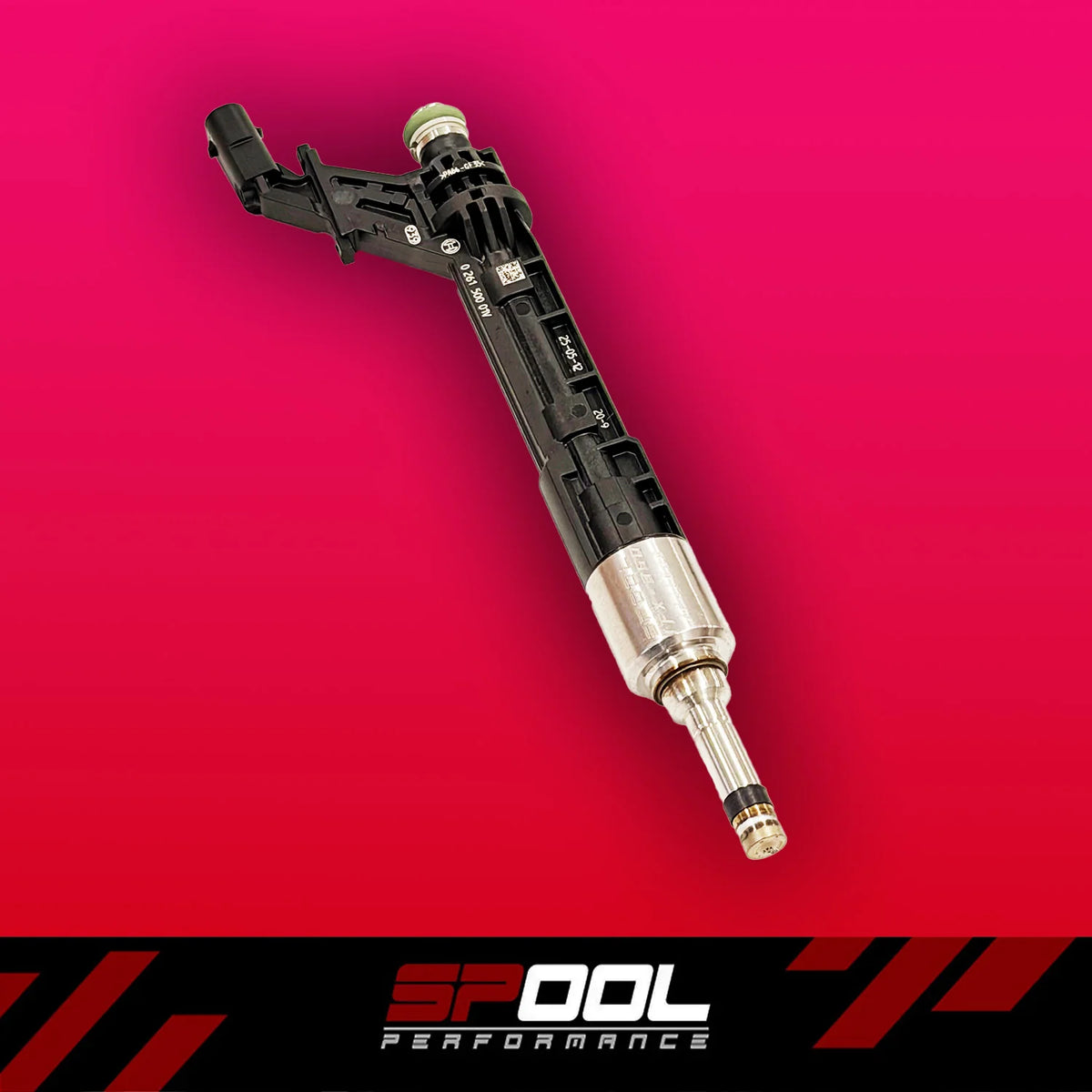
034Motorsport High Pressure Fuel Pump Piston Upgrade Kit, 2.9T & 3.0T TFSI EA839
Price $396.00
-
 Sale
APR
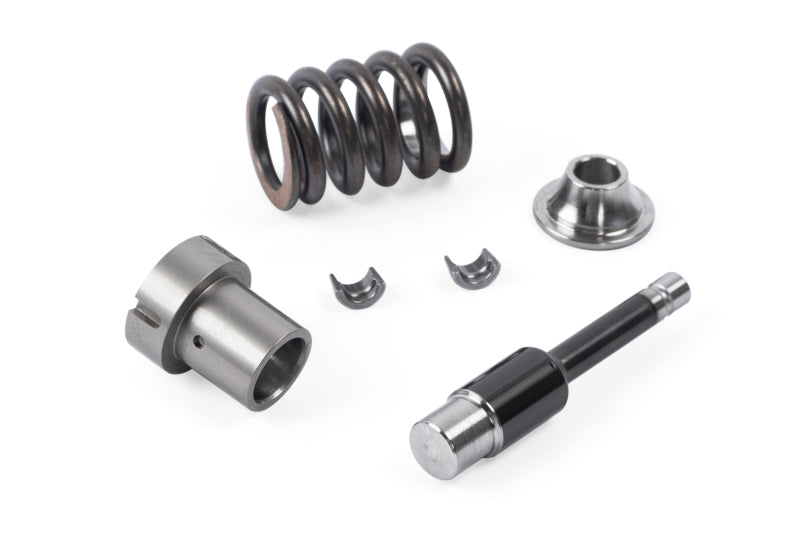
APR 17-26 Audi/Bentley/Porsche EA839 2.9T/3.0T High Pressure Fuel Pump (Rebuild)
Sale price $649.95 Regular price
$731.95 -
 Sale
APR
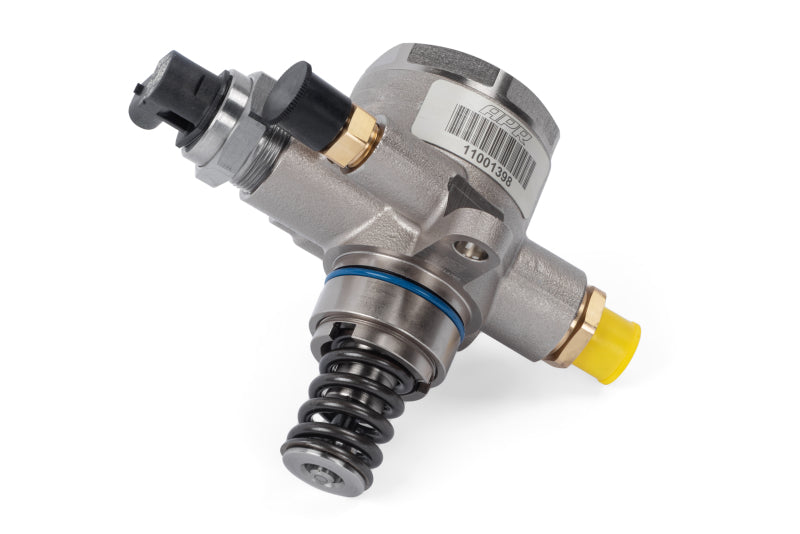
APR 17-26 Audi/Bentley/Rolls Royce/Porsche EA839 2.9T/3.0T High Pressure Fuel Pump (No Rebuild)
Sale price $1,499.95 Regular price
$1,687.95 -
-
Integrated Engineering
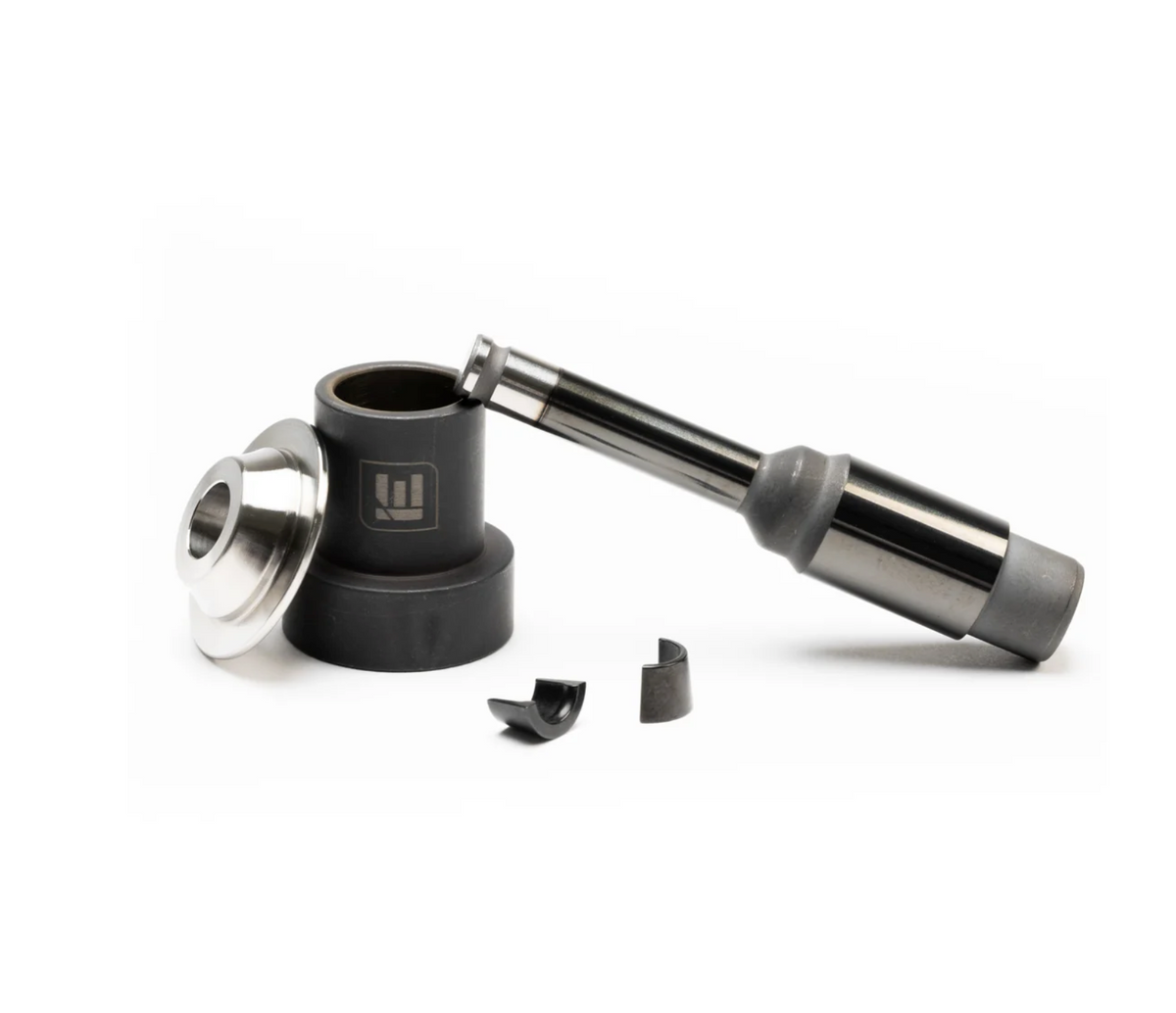
IE HPFP Internal Upgrade Kit For Audi B9 S4, S5, SQ5 3.0T & RS5 2.9T
Price $419.99
-
 Sale
APR
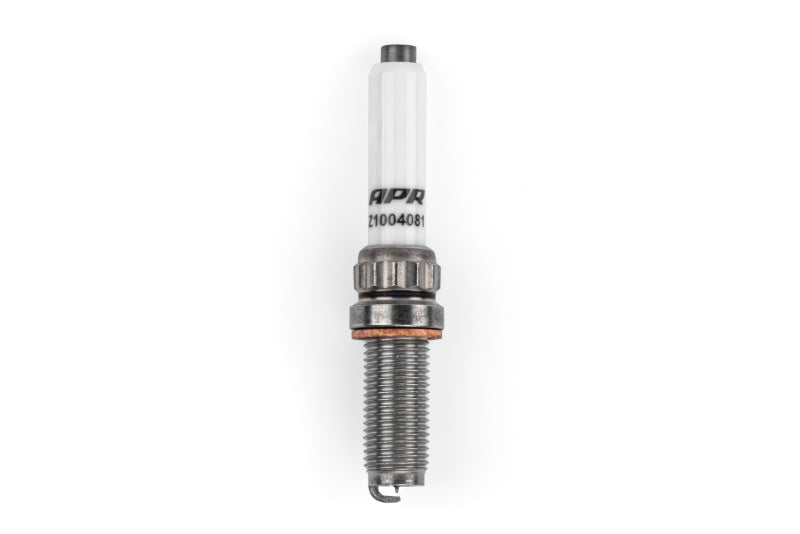
APR EA825/EA839/9A2 Iridium Pro Spark Plug - Heat Range 10 - 12mm x 26.5mm x 14mm - SINGLE
Sale price $26.95 Regular price
$30.32 -
 Sale
APR
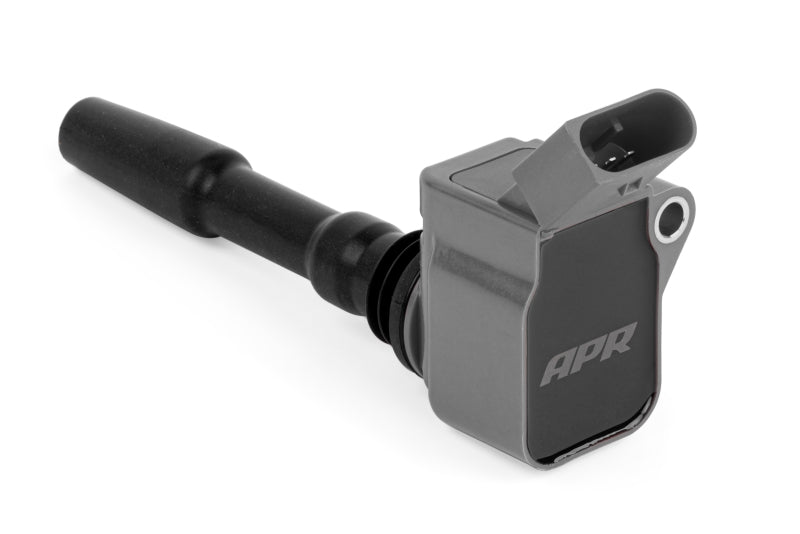
APR EA888.3/EA888.4/EA839/EA825 (MQB/MLB) 2.0T/2.9T/3.0T/4.0T Ignition Coil - Grey
Sale price $52.95 Regular price
$59.95
-
-
Step 5
Dial in the suspension
-
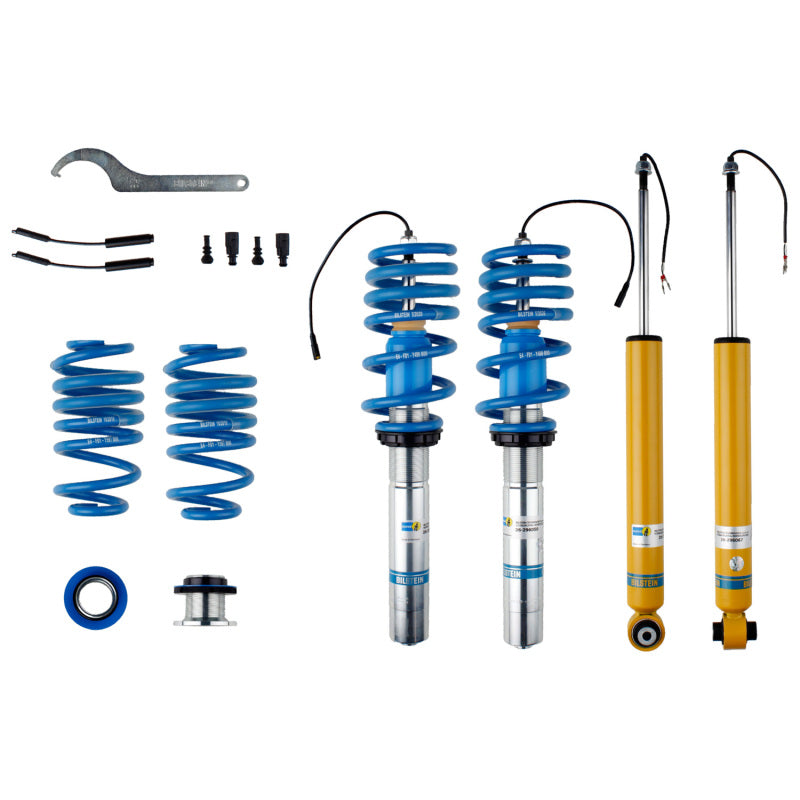 Sale
Bilstein
Bilstein B16 (DampTronic) 18-21 Audi S5 Front and Rear Suspension System
Sale price $2,499.00 Regular price
$3,611.00 -
-
-
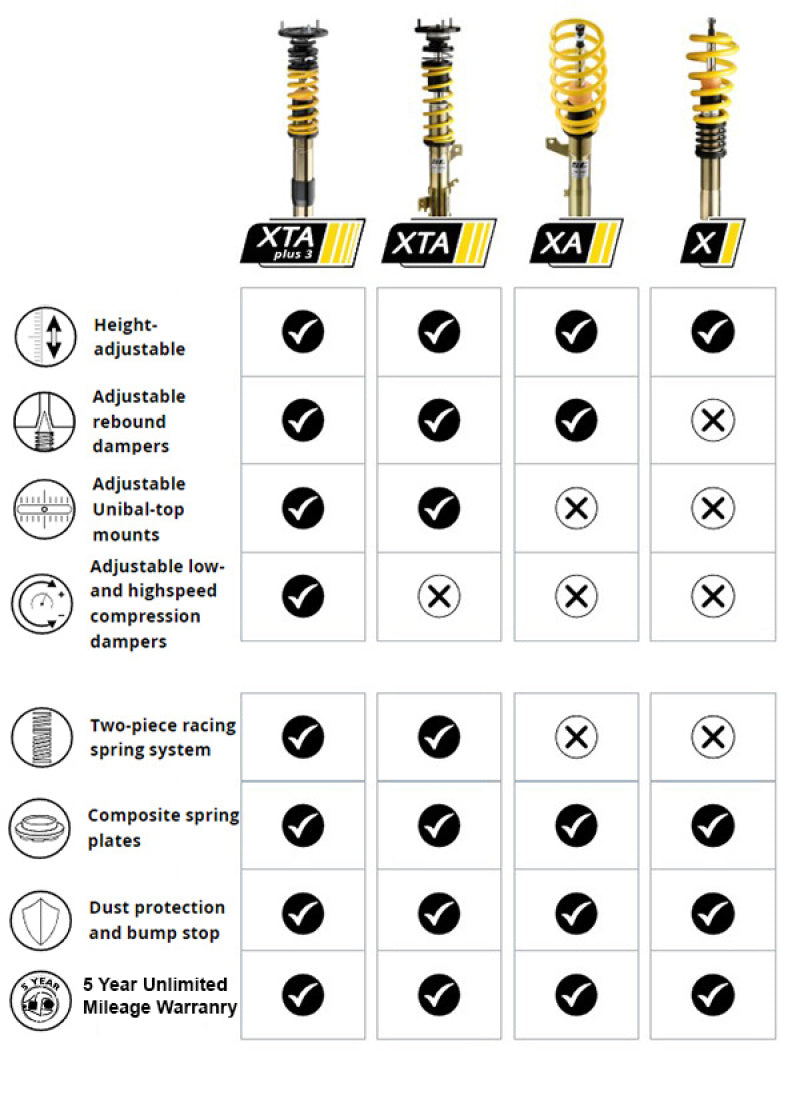
ST Suspensions
ST XA Adjustable Coilovers 2018+ Audi A4/S4/A5 (B9) Sedan Quattro w/o Electronic Dampers
Price $1,419.00
-
 Sale
SPC Performance
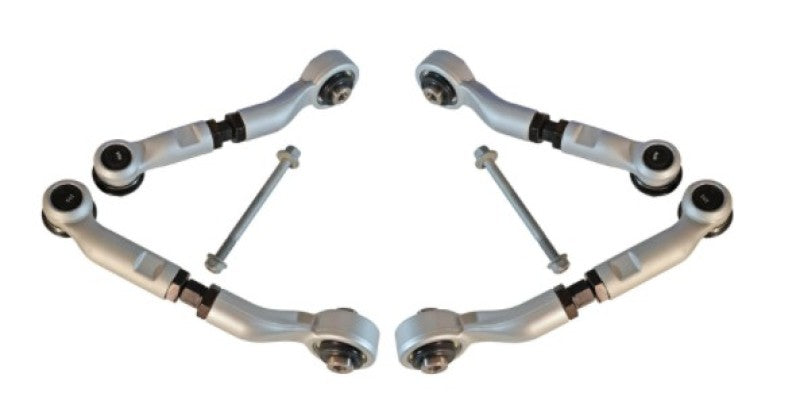
SPC Performance 17+ Audi A4/S4/ 18+ Audi A5/S5 Front Adj Upper Multi Link Control Arm Kit
Sale price $1,195.95 Regular price
$1,299.95 -
 Sale
H&R
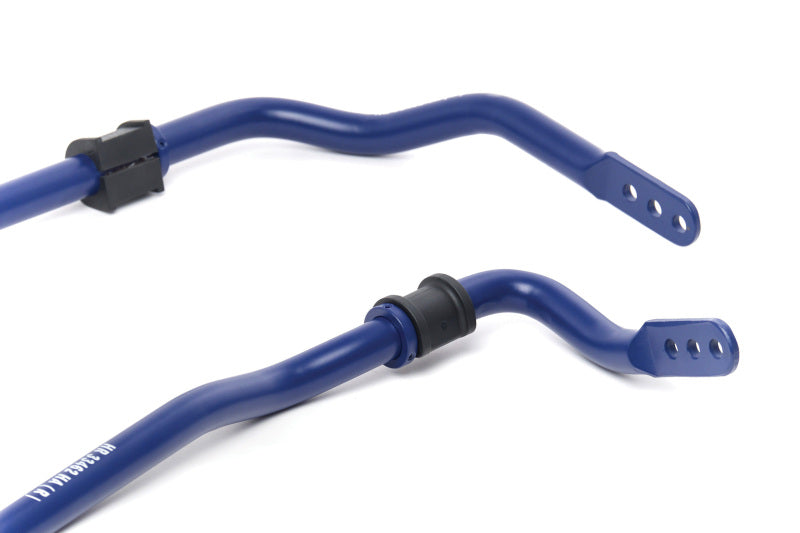
H&R 22mm Non-Adjustable Rear Sway Bar - Audi A4/A5/S5 (AWD) B9 2018-2022
Sale price $413.10 Regular price
$459.00 -
 Sale
H&R
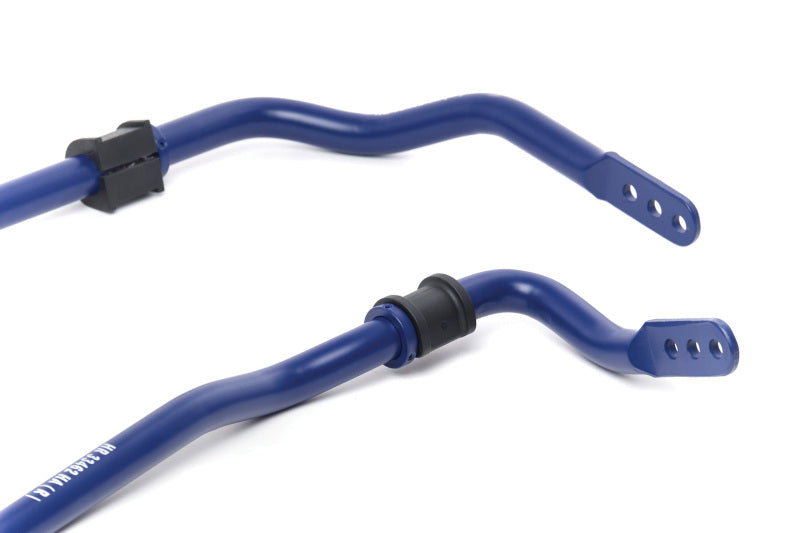
H&R 32mm Adjustable 2 Hole Front Sway Bar - Audi B9 2017-2020
Sale price $503.10 Regular price
$559.00 -
 Sale
APR
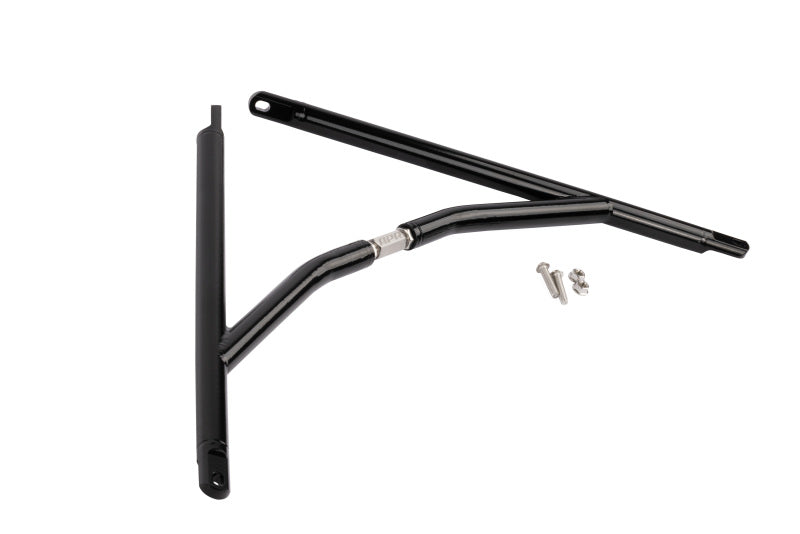
APR 18-25 Audi A4 Quattro/A5 Quattro/RS5/S4/S5 (B9) Strut Brace Tower
Sale price $349.95 Regular price
$393.95
-
-
Step 6
Upgrade brakes and wheels
-
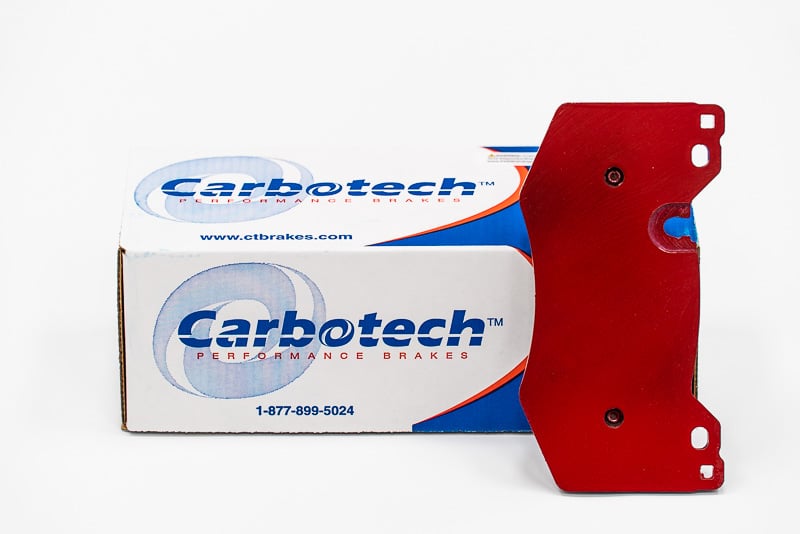
Carbotech
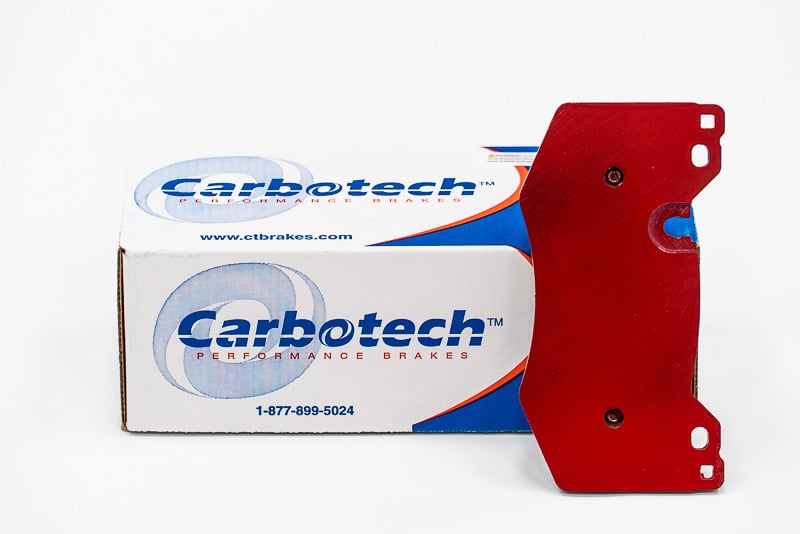
Carbotech 1521 Performance Rear Brake Pads Audi RS3 (8Y), S4 (B9), SQ5 (FY), RS5 (F5)
Price $272.00
-
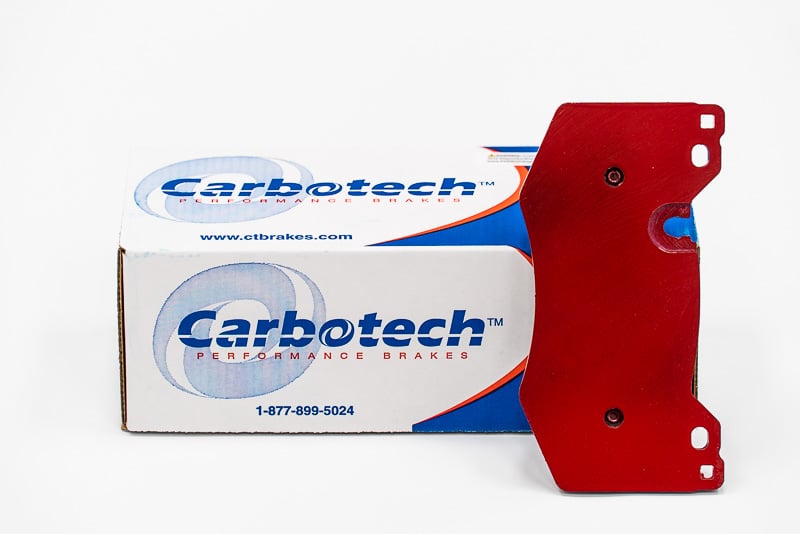
Carbotech
Carbotech 1521 Performance Rear Brake Pads Audi S4 (B9), SQ5 (FY), RS5 (F5) -2020+
Price $272.00
-
-
-
 Sale
APR
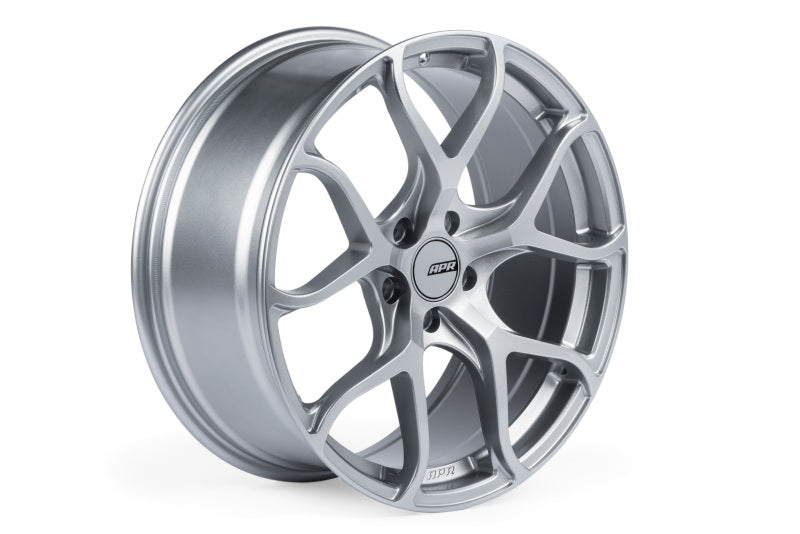
APR A01 Flow Formed 19x8.5 / 5x112 / ET45 / 66.5mm Bore / Silver Wheel
Sale price $399.95 Regular price
$449.95 -
 Sale
H&R
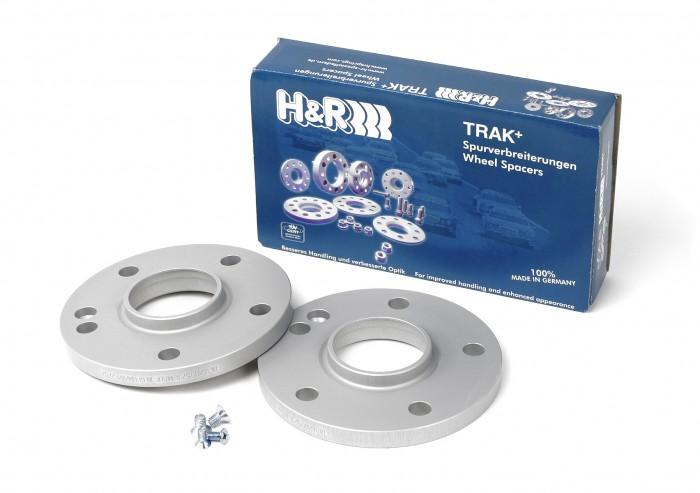
H&R Trak+ 12mm DR Wheel Adaptor Bolt 5/112 Center Bore 66.5 Bolt Thread 14x1.5 - Black
Sale price $98.96 Regular price
$109.95 -
 Sale
H&R
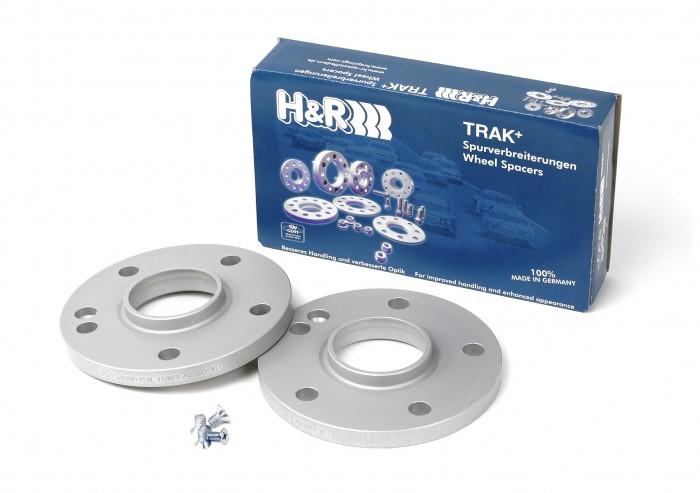
H&R Trak+ 15mm DR Wheel Adaptor Bolt 5/112 Center Bore 66.5 Bolt Thread 14x1.5
Sale price $107.96 Regular price
$119.95
Known issues
-
Water pump coolant leaks
The EA839's vacuum-operated water pump can leak coolant internally. Watch for coolant loss, low-coolant warnings, a boost-related fault code (P0299) or coolant residue on the cylinder head. Audi offers an updated pump, and it's worth checking yours before you tune.
-
Carbon buildup on the intake valves
US-market B9 cars use direct injection only, so carbon slowly builds up on the intake valves and can cause a rough idle and lost power. Walnut blasting every 40,000 to 60,000 miles is commonly recommended.
-
Oil consumption from the PCV valve
A torn PCV diaphragm in the valve cover is a commonly reported cause of oil consumption and rough running as these cars add miles.
-
Front-end clunks
Worn front control arm bushings can cause clunks over bumps or a vague, wandering feel at higher mileage. Fresh arms make a lowered car feel noticeably tighter.
-
Transmission fluid service
Audi calls the ZF 8-speed fluid a lifetime fill, but a fluid and filter service every 40,000 to 50,000 miles is cheap insurance, especially on a tuned car.
Supporting mods
-
Bigger turbos (Stage 3)
Once the stock turbo runs out of headroom, hybrid and larger turbos such as the PURE750 or APR DTR8868 take these cars well past 500 hp, according to tuner claims. They need the intake, turbo inlet, downpipe, intercooler and fuel upgrades above, plus matching engine and transmission software.
-
Gauges and monitoring
A digital gauge shows boost, intake temperatures and timing corrections in real time. It's the easiest way to spot a problem early on a modified car.
-
Fluids and maintenance
Shorter oil change intervals with a quality European-spec oil, fresh brake fluid and regular coolant checks keep a modified B9 reliable.
FAQ
Do I need a transmission (TCU) tune?
Not for Stage 1, since the engine tune alone makes full power. A TCU tune adds faster shifts and higher torque limits, and it's required for bigger turbos. Some 2021+ cars, and most 2023+ cars, need their TCU unlocked first.
Will a tune void my warranty?
In the US, a manufacturer can't void your whole warranty just because you installed aftermarket parts, but it can deny a claim if it shows a part caused the failure. Expect engine and transmission claims on a tuned car to get a closer look.
Which fuel should I run?
Most tunes come in 91 and 93 octane versions, and 93 makes a little more power. Ethanol blends make the most power but usually need an upgraded high-pressure fuel pump.
Is a tune safe on the stock turbo?
Stage 1 and Stage 2 tunes are designed around the stock turbo and fuel system, and they're widely run on these cars. Keep up with maintenance and add an intercooler to keep temperatures in check.
Does the SQ5 use the same parts as the S4?
Engine and transmission software, intercoolers and fuel parts are usually shared. Intakes, downpipes, exhausts, suspension and wheels are often different, so always check fitment.
Do S5 parts fit the S4?
Most engine, suspension and brake parts are shared between the S4 and S5. Body parts differ, and some products are listed for one body style only, so check the fitment notes.
What order should I do mods in?
Tune first, then the intercooler and charge pipes, then intake and exhaust. Add fuel upgrades before bigger turbos, and upgrade brakes and suspension as your power and driving demand it.
Last reviewed October 29, 2026