

Audi · 8V · Mod guide
Audi RS3 8V Mod Guide
The 8V RS3 came to the US for 2017 to 2020 with Audi's 2.5L turbo five-cylinder, a 7-speed S tronic and quattro. It's one of the best-sounding cars we work on, and it responds well to the right parts in the right order. This guide covers that order, what each step does, and what to check before you buy.
Covers: Audi RS3 (8V)
- Chassis
- 8V
- Years
- 2017 to 2020
- Engine
- 2.5L turbocharged inline 5-cylinder
- Transmission
- 7-speed S tronic dual-clutch
- Drivetrain
- quattro all-wheel drive
- Stock power
- 394-400 hp / 354 lb-ft
Before you buy
-
Know your model year
US RS3s were sold as sedans from 2017 to 2020. Some intakes and inlets need an adapter on 2019 and later cars, so check the fitment notes on every product page against your model year.
-
Check for magnetic ride
Cars with Audi magnetic ride need coilovers built for it, a suspension controller or a cancellation kit to avoid warning lights. Check your build sheet or ask us before choosing suspension.
-
Decide on your turbo plan
Some turbo inlets and intake parts are sized for the factory turbo and others for larger upgrade turbos. Decide whether you're staying on the stock turbo before you buy, so you don't pay for parts twice.
-
Sort out maintenance before adding power
A tune makes existing problems worse. Make sure the S tronic and Haldex services are current, plugs and coils are healthy, and any open dealer updates have been done (see Known issues below).
Start here
-
Step 1
Protect the RS3's exposed oil cooler
-
Step 2
Swap the resonated midpipes for real five-cylinder sound
-
 Sale
-
-
Step 3
Take control of the RS3's exhaust valves
-
Step 4
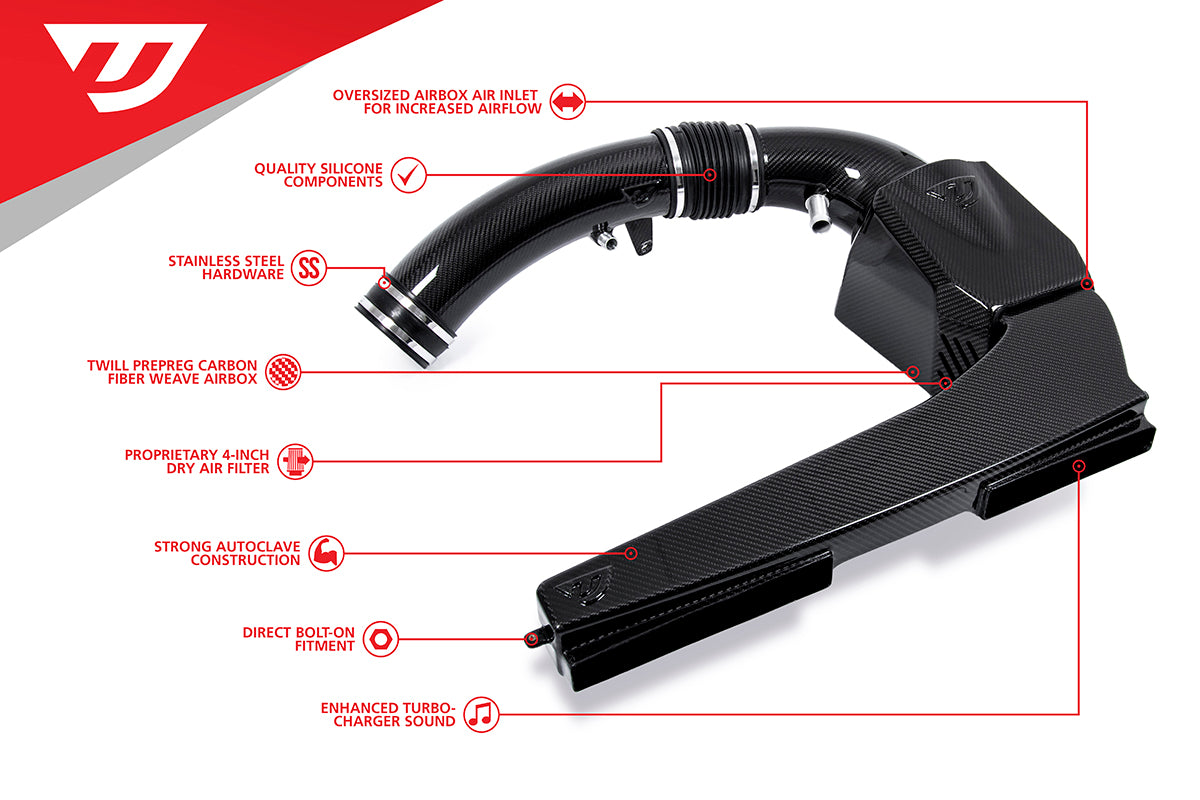
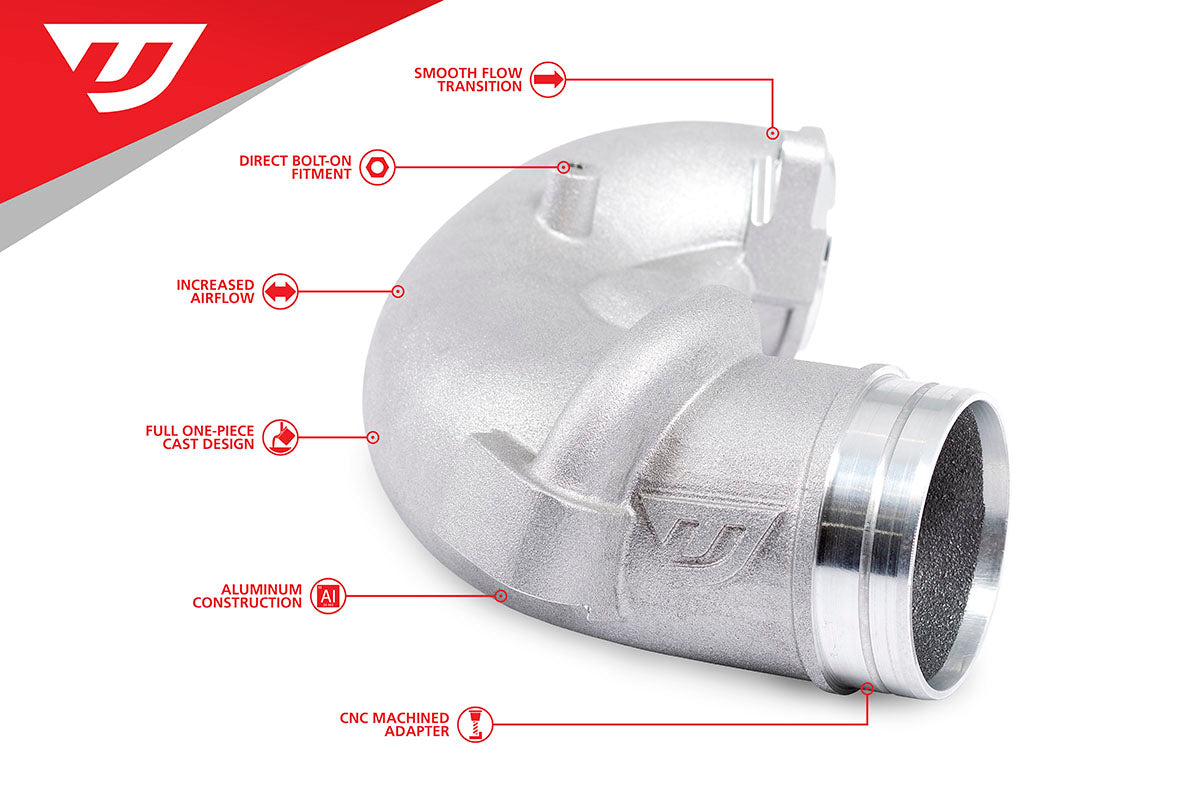
Open up the RS3's intake and turbo inlet
-
 Sale
AWE Tuning
AWE Tuning Audi RS3 / TT RS S-FLO Closed Carbon Fiber Intake
Sale price $1,515.00 Regular price
$1,594.74 -
 Sale
APR
APR 17-20 Audi RS3/18-22 Audi TT RS Quattro (MK3) 2.5T TFSI Carbon Fiber Intake Filter System
Sale price $520.95 Regular price
$652.95 -
 Sale
APR
APR 17-20 Audi RS3/18-22 Audi TT RS Quattro (MK3) 2.5T TFSI Turbocharger Inlet System
Sale price $1,013.95 Regular price
$1,267.95 -
-
-
-
Step 5
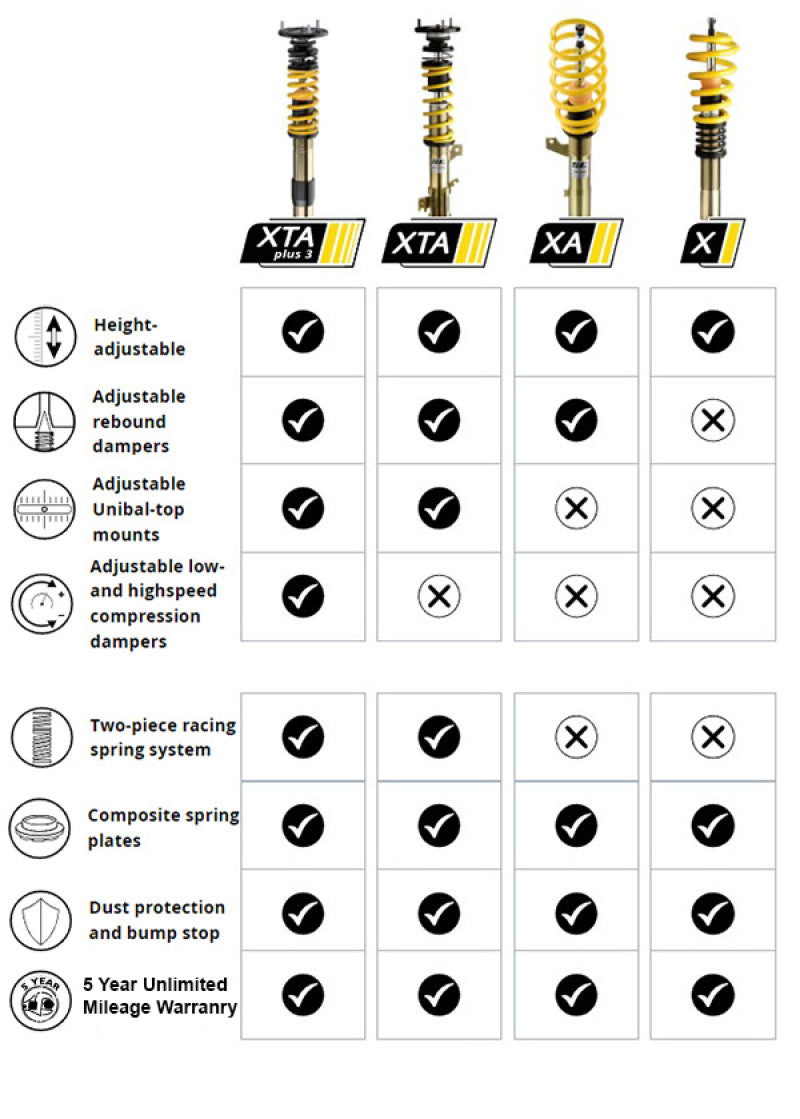
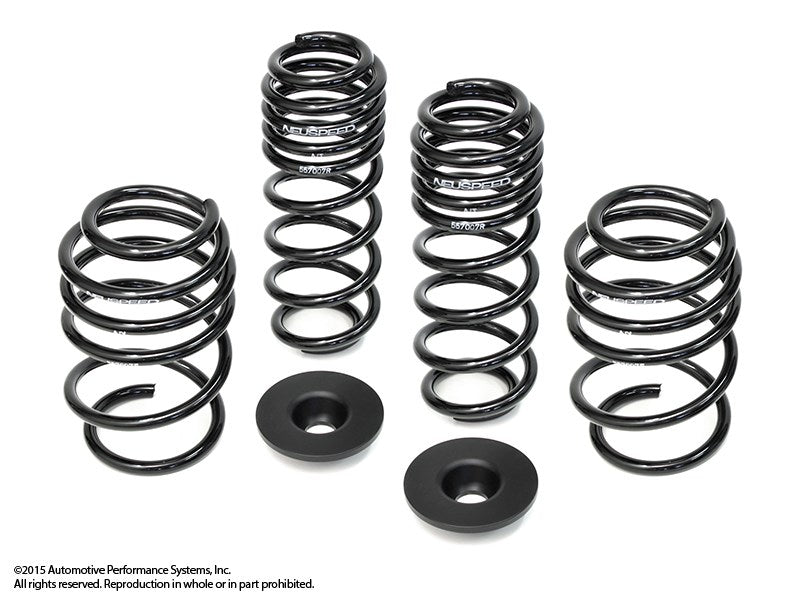
Dial in the RS3's ride height and handling
-
 Sale
H&R
H&R 17-21 Audi RS3 8VS RSS+ Coil Over (Damping Adjustable w/o MRC)
Sale price $3,402.00 Regular price
$3,780.00 -
 Sale
-
-
-
 Sale
APR
APR 15-18 Audi A3 Quattro/17-20 Audi RS3/15-20 Audi S3 MQB Magride Suspension Control Unit Upgrade
Sale price $1,348.95 Regular price
$1,687.95
-
-
Step 6
Tune the RS3's 2.5T five-cylinder


Known issues
-
Haldex pump and strainer
A failing Haldex pump can keep bringing on the traction control light. The fifth-generation Haldex unit has no replaceable filter, so the pump strainer needs cleaning as part of regular service. It's worth checking before you add power.
-
S tronic service
The 7-speed S tronic needs its oil and filter services done on schedule. Missed services can get expensive, so ask for records before you buy a car or start modifying one.
-
Fuel pump module update
Some RS3s needed a dealer update to the fuel pump module under the rear seat. Symptoms include cutting out at low speed or idle, a no-start for several minutes, and a low fuel pressure code. Check that it's been done if you see any of these.
-
Prop shaft coupling bolts
Owners who do a lot of launches have found the prop shaft coupling bolts to be a weak spot. Check them if your car sees launch control or drag strip use, especially once it's tuned.
-
Front tire wear
The RS3 can wear the inside edges of its front tires hard. Check tire wear and alignment regularly, especially after lowering the car.
Supporting mods
-
Intercooler and charge pipes
Once the car is tuned, the factory intercooler heat-soaks on hot days and back-to-back pulls, and the engine pulls timing to protect itself. A larger intercooler keeps power consistent, and upgraded charge pipes are a common addition at the same time.
-
Downpipe (Stage 2)
A downpipe pairs with Stage 2 software for more power and sound. Downpipes are typically sold for off-road use only, so check the product listing and your local emissions rules before you buy.
-
Gauges and monitoring
A digital dash or gauge shows boost, intake temperatures and timing corrections in real time. It's the easiest way to spot a problem early on a modified car.
-
Brakes and tires
More power needs more stopping. Performance pads, fresh high-temperature fluid and good tires make the biggest difference on the street and at the track.
FAQ
Do I need a transmission (TCU) tune?
Not to get started, since the engine tune works on its own. A TCU tune for the 7-speed S tronic adds faster shifts and higher torque limits, and it becomes more important as you add power past Stage 1.
Will a tune void my warranty?
In the US, a manufacturer can't void your whole warranty just because you installed aftermarket parts, but it can deny a claim if it shows a part caused the failure. Expect engine and transmission claims on a tuned car to get a closer look.
Which fuel should I run?
Most tunes come in 91 and 93 octane versions, and 93 makes a little more power. Always run the file that matches the fuel in your tank. Some tuners also offer flex-fuel software for ethanol blends.
Do 8Y RS3 parts fit the 8V?
Some parts are shared between the two generations, like certain midpipes, intercoolers and engine covers. Many intakes, suspension parts and all software are generation-specific, so always check the fitment notes.
Do midpipes need a tune?
No. Resonator-delete midpipes bolt on and work with the factory software. They pair well with a tune later on.
What order should I do mods in?
Protect the oil cooler first, then sort out sound with midpipes and a valve controller. Add the intake and suspension next, then tune the car. Many owners tune earlier since it's the biggest single gain, and add an intercooler as power goes up.
Last reviewed October 31, 2026